Business waste removal in Finchley
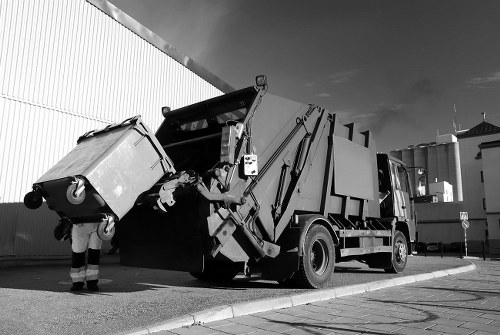
Business waste removal in Finchley should be straightforward, orderly and suited to the way a company works. We provide commercial waste clearance for offices, shops, studios, workshops and other premises that need a dependable way to move unwanted material out of the building and into the correct disposal or recycling route. The service can cover everyday mixed office waste, bulky items, packaging, old fittings and other non-hazardous material that has built up during trading, refurbishment or relocation.
For businesses, the main value is keeping workspaces usable without turning waste handling into a distraction. Our approach is practical: we sort, load and remove items with as little disruption as possible, then direct suitable materials towards recovery wherever this is available. If you are arranging a one-off clearance or a repeat waste collection, the scope can be matched to the size and type of your premises rather than forcing every job into the same pattern.
Choose a commercial clearance that fits the job, whether you need a modest uplift from one room or a larger removal from several areas. If you already know the general waste type, it is usually enough to request a quotation and outline the access, volume and timing. For anything more involved, speak to us early so the work can be planned sensibly and carried out with fewer interruptions.
Commercial waste collections for day-to-day operations
Many businesses need more than a single tidy-up. Desks, archive boxes, display units, broken small appliances, packaging and mixed unwanted stock can all take up useful room when they are left to accumulate. A commercial waste collection is useful when the material is no longer needed but does not justify a complicated project. We can remove a broad range of routine business waste and keep the process clear, with the focus on sensible handling and straightforward disposal.
Where the waste is mostly office-based, the work may involve furniture, shelving, old IT peripherals, filing units and bagged rubbish from storage rooms or back offices. In retail or customer-facing premises, the removal often includes marketing material, damaged fixtures, old displays and packaging from seasonal changes. A clear list helps, and a simple pricing and quotes page can also help you think through the information that affects a quotation without turning the request into a long administrative task.
What can be taken from business premises
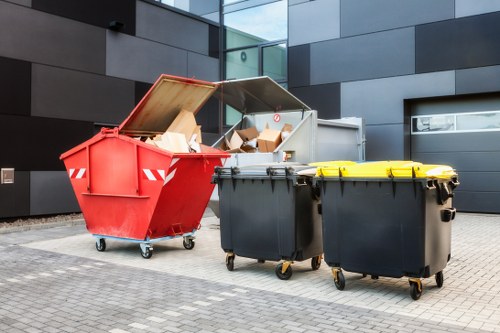
Commercial clearance is rarely limited to one obvious category. Most businesses produce a mixture of loose items, broken stock support material and furniture that has reached the end of its use. The practical aim is to separate what can be dealt with quickly from anything that needs specific handling. We work with that wider picture, so the job can include removal of desks, chairs, cupboards, loose packaging, non-structural fittings and other general items that are no longer serving the workspace.
Some materials deserve extra caution even when they are not especially bulky. Items with cords, batteries, screens, glass panels or metal edges may need careful packing and loading so that the clearance remains controlled. If the waste includes specialist items or anything that may be restricted, it is worth checking the exact type in advance. When a business has mixed waste streams, a sensible starting point is to separate obvious general waste from items that require more careful treatment.
Typical commercial clearances can involve:
- office furniture and loose fittings
- retail shelving, display pieces and back-room storage items
- bagged general waste and packaging
- selected electrical or metal items where appropriate
- bulky items that no longer fit day-to-day use
Office clearances and workplace changes
Offices often need waste removal at a point when the workspace is changing shape. A move, reconfiguration or end-of-lease clear-out can leave behind surplus furniture, old paperwork storage, redundant equipment and assorted room contents that no longer suit the layout. Our office clearance service is built around that kind of practical change, helping businesses clear usable floor area without trying to separate every item into a different project.
Where the workplace contains desks, storage, reception furniture or meeting-room items, the removal needs to be methodical. Larger items are usually easiest to deal with once access is confirmed and the main route through the building is clear. Smaller objects can be grouped by room or by function so the loading stage stays orderly. For managers arranging a clearance around staff movement, the useful question is not only what can go but also which parts of the building should remain undisturbed during the work.
Handling furniture, bulky items and fitted pieces
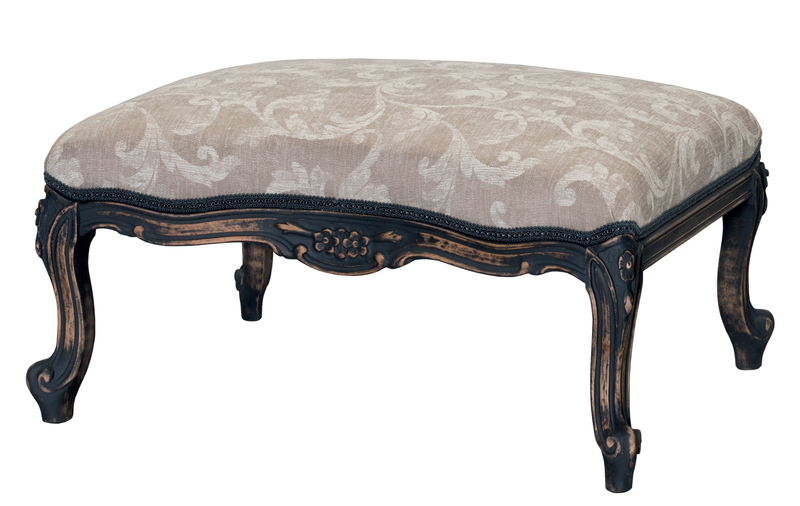
Many commercial clearances involve furniture more than loose rubbish. Chairs, tables, cabinets and shelving can dominate a space long after they stop being useful. We can remove many kinds of business furniture as part of a broader waste clearance, including items that are awkward to lift or move through narrow internal routes. This is often the point where good planning matters more than the amount of waste itself, because heavy or inflexible items need the right sequence.
If a site contains furniture alongside lighter rubbish, the best approach is usually to identify the bulkiest pieces first. That lets the removal be arranged around door widths, stair access and loading conditions. It also helps prevent smaller waste from getting buried behind larger items. For business owners comparing options, the key is to choose a service that deals with the whole load in a coherent way rather than splitting simple furniture removal from the rest of the clearance without a reason.
Useful preparation is limited but important: keep access routes clear, separate anything that must stay on site, and let us know if the waste is spread across more than one room. A short note about the building layout, any restricted doors or shared corridors, and the approximate size of the main items is usually enough to shape the work properly. If the load includes a mixture of furniture and lighter waste, that information should be mentioned together rather than as separate requests.
About Finchley
Finchley is a large area in north London that is usually understood through its distinct districts of East Finchley, Finchley Central and North Finchley. It lies within the London Borough of Barnet and has long been shaped by the growth of suburban London, with older routes and settlements gradually joined by later residential development. The area’s transport story is closely linked to the Northern line, which gives Finchley a strong connection to central London while still retaining a separate local character. Finchley Central, for example, grew around a village core that later became part of a larger suburban district, and that pattern can still be sensed in the mix of older streets, civic buildings and more recent housing.
The area has several well-known green spaces, among them Victoria Park in East Finchley and the larger Friary Park in North Finchley, both of which add open space to an otherwise built-up part of the capital. Avenue House, now known as Stephens House and Gardens, is another notable landmark, with historic grounds that provide a quieter setting away from the main roads. Finchley’s built environment includes shopping parades, houses from different periods and local centres that reflect successive phases of growth rather than one single planned layout. Cultural life is anchored by libraries, community venues and places of worship, while the transport network and local high streets continue to shape day-to-day movement across the area. The result is a district with a clear identity, yet one that is made up of several smaller centres rather than a single uniform townscape.
Book a clearance that suits your premises
Commercial waste removal works best when the job is described clearly and kept within the right scope. If you are clearing a single office, a retail back room or a larger business floor, we can help with the removal of unwanted items in a way that stays practical and manageable. The most useful details are the type of waste, the number of areas involved and whether the job needs to be fitted around trading hours or staff movement. For more specialised loads, the main point is to flag them early so the clearance can be approached safely and sensibly.
It is also helpful to think about what should remain in place. Businesses often have items in storage, archived material, displays or equipment that must not be disturbed during a clearance. If that is the case, keeping those items separate from the waste stream saves time on the day. Where there is a mix of general waste, old furniture and bulky objects, a single clear description is usually enough to start the conversation. You can keep the enquiry brief and still give enough detail for a proper estimate.
If you want to move forward, request a quotation and tell us what needs to be removed.
Planning a business waste clearance

Planning is usually simpler than business owners expect. A short description of the premises, the main waste type and the access conditions gives a clear basis for organising the work. If the clearance involves multiple rooms, it can help to note which areas contain the heaviest items and whether anything needs to stay available for staff. That keeps the removal focused on the correct material and avoids confusion once the team arrives.
For larger or more mixed loads, businesses sometimes group items by category before the clearance begins. For example, office furniture can be kept separate from loose packaging, or display stock can be separated from back-room storage waste. This is not essential, but it can make the collection more efficient. Business waste removal is often easier to organise when the enquiry already reflects how the material is arranged on site, rather than listing everything in a single undifferentiated pile.
Tell us what needs removing, keep the access route clear where possible and ask for a quotation when you are ready. If the job includes bulky items, mixed materials or several rooms, a little extra detail at the start helps the service fit the premises better and keeps the process straightforward from the first conversation to the final load-out.
Office and commercial items that need careful handling
Some waste is straightforward, while other items need a more deliberate approach. Business premises often contain screens, small electrical equipment, fixtures with metal components and storage units that need lifting and loading in a controlled way. We can handle clearances that include a range of commercial items, provided the material is suitable for the service and has been described accurately. The aim is to keep the clearance practical without treating every object as if it were the same.
Where items are awkward rather than especially heavy, the main concern is usually access. Narrow corridors, stairs, shared entrances and time-limited loading arrangements can all affect the sequence of work. A sensible clearance plan takes those limitations into account before any lifting begins. For many business customers, that means identifying the biggest or most awkward objects first, then grouping the rest so the removal proceeds in a steady order.
Recycling and responsible disposal
Waste removal should do more than simply take items away. Where materials can be separated for recovery, that is generally preferable to sending everything into the same stream. Our recycling and sustainability page explains the broader approach to handling reusable or recyclable material, and commercial customers can use that as a reference point when deciding how to describe the load. In practice, this means treating mixed business waste with some care rather than assuming it is all destined for the same outcome.
Recycling is not only about obvious paper or cardboard. Many business clearances include metal components, certain plastics, office items and packaging that may be separated where suitable routes exist. That said, not every item can be processed in the same way, and some loads contain a blend of reusable, recyclable and residual material. The important step is to describe the waste honestly so the correct handling path can be chosen without guesswork.
When you are ready to clear space in a workplace, start with a simple summary of the premises and the waste type, then ask for a quotation. A concise enquiry makes it easier to match the removal to the job, whether it is routine commercial waste or a more involved office clearance. For the right kind of business premises, the process can stay efficient, tidy and suitably organised from beginning to end.