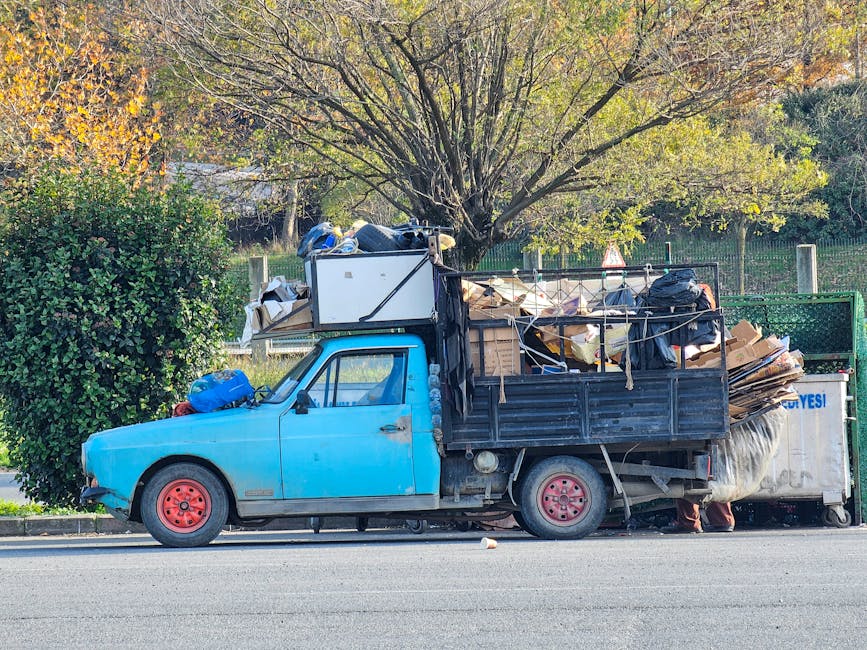
N3 High Road rubbish clearance guide costs and pickup zones
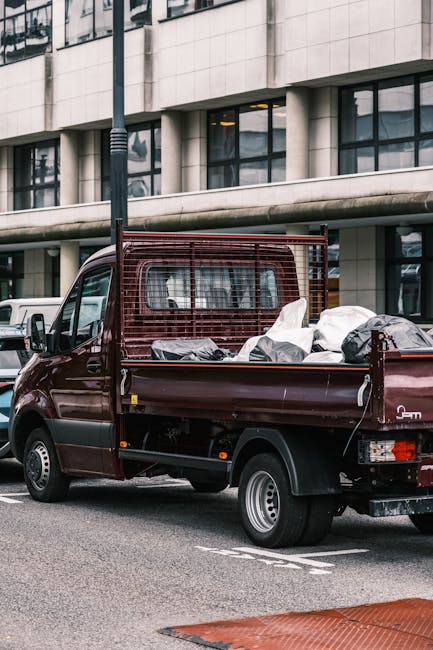
If you are trying to work out N3 High Road rubbish clearance guide costs and pickup zones, you are probably dealing with one of those jobs that sounds simple until you actually start lifting bags, furniture, and awkward old bits of stuff. A sofa that looked manageable on paper suddenly feels like a hallway obstacle course. A few black sacks can turn into a van-full faster than you expect. And then there is the big question: what should it cost, and which streets around High Road N3 are usually covered?
This guide breaks it down in plain English. You will find how rubbish clearance is typically priced, what affects pickup zones around N3 High Road, what to check before booking, and how to avoid the common mistakes that lead to delays or surprise charges. It is written for real-life decisions, not theory. Let's face it, nobody wants to spend all day comparing vague quotes and still not know what is actually included.
For readers who want to compare service details too, it can help to look at broader rubbish and waste options on the site, including waste removal, pricing and quotes, and the wider range of clearance services available. That way, you can match the job to the right type of collection rather than guessing.
Quick takeaway: N3 High Road clearances are usually influenced by load size, access, sort time, waste type, and how close the pickup is to the actual road network. The best quote is not always the cheapest one; it is the one that clearly explains what is included, what is excluded, and where the team can collect from without complications.
You may also want to browse the company's about us page for background and their book online page if you are ready to move from planning to action.
Why N3 High Road rubbish clearance guide costs and pickup zones Matters
N3 High Road is not the kind of place where a "we'll just pop round and collect it" plan always works smoothly. Traffic, parking pressure, loading restrictions, shared access, and the mix of flats, shops, homes, and side streets all affect how a clearance job is handled. That is why costs and pickup zones matter so much. If the collection point is awkward, the job can take longer. If the waste is not described properly, the price can change. If the access is easier than expected, you might save money. Simple enough, but details matter.
For households, this matters when you are clearing out a flat, replacing furniture, or dealing with a build-up of garden or loft waste. For businesses, it matters even more because downtime costs money and clutter gets in the way quickly. A shop on the High Road with packaging waste in the back room, for example, will usually need a very different collection approach from a terraced house a few streets away.
There is also a trust element. When a provider explains pickup zones clearly, you know whether the team can reach your address easily, whether they need to park nearby, and whether the quoted price reflects the real job. That transparency is worth a lot. No one likes those little "extra charge" moments at the end of a booking. They leave a sour taste.
If you are trying to understand the service picture more broadly, the site's business waste removal and home clearance pages can help you compare domestic and commercial needs.
How N3 High Road rubbish clearance guide costs and pickup zones Works
Most rubbish clearance services around N3 High Road work in a fairly straightforward way, though the details vary depending on the waste and the access. First, the provider asks what needs removing. Then they estimate the load size and assess whether it is light mixed rubbish, bulky furniture, builders' debris, or something that needs specialist handling. From there, they consider the pickup location, likely parking access, and how long loading may take.
In practical terms, the price normally reflects a few core variables:
- Volume: how much waste is being removed, often measured by van load or part-load size.
- Waste type: ordinary household rubbish, furniture, appliances, garden cuttings, or construction waste may be priced differently.
- Access: narrow stairwells, lack of lifts, long walks from the property, or no easy parking can increase time on site.
- Separation and sorting: mixed loads may require more handling if items need to be separated for recycling or disposal.
- Distance and pickup zone: whether the collection falls within the usual N3 High Road pickup area or requires extra travel or waiting time.
That last point is where pickup zones become important. On a local level, "zone" often means the practical area a team can cover efficiently while still keeping the visit cost-effective. For example, a roadside pickup right on High Road may be quick. A collection tucked behind a block of flats with restricted access may need extra time and coordination. The waste itself might be identical, but the job is not.
It can also help to know what should and should not go in a clearance vehicle. If you are unsure, the page on what can go in a skip gives a useful sense of common waste categories, even if your chosen service is a clearance rather than a skip-based job.
Key Benefits and Practical Advantages
There are a few reasons why using a proper rubbish clearance service around N3 High Road is often easier than trying to manage the job yourself. The first is obvious: it saves time. The second is less obvious but just as important: it reduces the risk of overfilling a car, damaging your property, or leaving waste sitting around for another week because you cannot get to the tip.
Some of the main benefits are:
- Speed: one visit can clear a lot of clutter in a single go.
- Convenience: the lifting, loading, and transport are handled for you.
- Flexibility: ideal for awkward jobs, partial clearances, and same-day needs where available.
- Safer handling: bulky or heavy items are moved using the right approach, which matters if stairs or tight spaces are involved.
- Cleaner finish: once the waste is gone, you can actually use the space again. Such a relief, honestly.
There is also a real planning advantage. If you know the cost drivers in advance, you can bundle jobs together. Instead of booking separate collections for a broken wardrobe, a pile of old bags, and a garden tidy-up, you may save time by grouping them sensibly. That is the kind of small decision that quietly makes a big difference.
For certain jobs, choosing a specialist service is even more useful. For example, if you have old sofas or mattresses, the relevant service pages on mattress and sofa disposal and furniture disposal show how those items are usually handled.
Who This Is For and When It Makes Sense
This guide is for anyone in or around N3 High Road who needs waste gone without unnecessary fuss. That includes homeowners, tenants, landlords, letting agents, shop owners, office managers, tradespeople, and anyone halfway through a clear-out that has turned into a bigger project than expected.
It tends to make sense when:
- You need rubbish removed quickly and do not want to wait around for council collection timing.
- You have bulky items that are too awkward to take yourself.
- You are clearing a property before a move, sale, or renovation.
- You have mixed waste that would be difficult to sort and transport on your own.
- You want a clear quote tied to your actual pickup zone rather than a rough guess.
A common example is a flat clear-out after a tenancy ends. Bags, broken chairs, a few boxes, and maybe an old fridge or mattress. That can look manageable until the last hour, when the lift is tiny and the landlord wants the place empty by lunchtime. In those situations, a clearer pickup plan is worth its weight in gold.
Depending on the property type, you may also find the service pages for flat clearance, house clearance, or office clearance more relevant than a general rubbish removal page.
Step-by-Step Guidance
If you want the process to go smoothly, do it in a practical order. Rushing the booking is usually where people trip themselves up. Here is a simple way to handle it.
- List the waste honestly. Write down what you have, including bulky items, breakables, and anything unusual. If in doubt, mention it. It is better to over-disclose than to be vague.
- Estimate the amount. Think in terms of bin bags, furniture pieces, or how much floor space the items occupy. A quick photo is often the most useful thing, frankly.
- Check access. Ask yourself: can a loading vehicle get close? Is there parking nearby? Are there stairs, gates, or narrow hallways?
- Confirm pickup zone details. If you are on or near High Road N3, say exactly where the waste is located and whether the team can collect roadside or must enter a courtyard, building, or rear passage.
- Ask what is included in the quote. Make sure labour, loading, disposal, and any special handling are clearly explained.
- Prepare the waste before arrival. Put loose rubbish in piles, separate items that should not be mixed, and make sure access routes are clear.
- Be ready for the collection window. A tidy, prepared site makes everything faster. Sometimes by quite a lot.
If the job is more specialised, it may be worth checking relevant pages such as builders waste clearance for renovation debris or garden clearance for outdoor waste.
Expert Tips for Better Results
A few small choices can make a rubbish clearance on High Road N3 much smoother. In our experience, the best bookings usually come from people who are just a little bit over-prepared. Not obsessive, just clear.
Here are some useful tips:
- Send photos from different angles. One image rarely tells the full story. A side view and a close-up can save a lot of back-and-forth.
- Separate obvious specialist items. Fridges, mattresses, and sharps should not be hidden in a general pile. Mention them early.
- Ask about access before the appointment. A collection at street level is usually simpler than a fifth-floor carry-down with no lift. Obvious, but easy to forget.
- Think in zones, not just postcodes. A N3 address close to the main road may be easier to service than one a little further into residential streets, even if the postcode is the same.
- Keep a "maybe" pile separate. If there are items you are not sure about, set them aside. That avoids last-minute confusion when the team arrives.
One small but useful habit is to measure awkward items quickly with a tape. A wardrobe that looks "not too big" can turn into a problem at the doorway. It happens more often than people think. And yes, the wardrobe always seems to grow ten centimetres after you decide to remove it.
If you want reassurance around handling standards, the site's insurance and safety and health and safety policy pages are worth a look before booking.
Common Mistakes to Avoid
Most clearance headaches around N3 High Road come from a handful of predictable mistakes. Nothing dramatic. Just the kind of oversights that lead to extra time, extra cost, or a rescheduled visit.
- Underestimating volume: a "few bags" can become a proper load once everything is gathered in one place.
- Forgetting access issues: parking restrictions, long carries, or stair-only access can affect the quote.
- Mixing waste types without warning: general rubbish, heavy construction materials, and specialist items should be identified separately.
- Assuming every area is the same: two addresses on the same road can have very different pickup practicality.
- Leaving sorting until collection day: that usually slows things down and can make the job more expensive.
Another common slip is not checking what the provider needs to know about appliances or larger items. A fridge in particular is not the same as a bag of household rubbish. If you have one, use the dedicated fridge and appliance removal page as a reference point.
And if your clearance includes confidential documents, do not just toss them into the mix. Keep them separate and look at confidential shredding instead. That small bit of care matters.
Tools, Resources and Recommendations
You do not need much to plan a good clearance, but a few basic tools help a lot. A tape measure, phone camera, notebook, and a rough idea of the pickup location are usually enough to get a solid quote. If the waste is spread across a property, a quick room-by-room list works well too.
Useful things to have ready:
- Photos: ideally wide shots and close-ups.
- Basic measurements: especially for wardrobes, sofas, appliances, and large boxes.
- Access notes: floor level, lift availability, gate codes, parking options, and whether the vehicle can stop nearby.
- Waste category notes: general rubbish, furniture, garden waste, builders' waste, electricals, or mixed waste.
- Booking information: preferred dates, flexibility, and any time restrictions.
For people comparing services, the most useful internal references are usually the pricing page, the main waste removal page, and the pages for the specific item type you need removed. If you are dealing with bulky furniture, start with furniture clearance. If it is a larger domestic clear-out, house clearance is a better fit. For commercial spaces, business waste removal may be the cleaner route.
And if you are still deciding whether a clearance or a skip is more suitable, what can go in a skip can help you compare typical waste categories before you commit.
Law, Compliance, Standards, or Best Practice
For rubbish clearance, good practice matters even when the job looks ordinary. In the UK, waste must be handled responsibly, and both the customer and the collector should avoid dumping items in a way that creates legal or environmental problems. You do not need to become a compliance expert, but you should expect clear handling of waste, sensible sorting where needed, and straightforward communication about restricted items.
In plain terms, the best practice is:
- Use a provider that is clear about what they take and how they handle it.
- Be honest about the type of waste so the right handling method is used.
- Keep hazardous or specialist materials separate unless you have confirmed the service is suitable.
- Do not leave waste in communal areas or on the street unless the collection has been arranged for that exact point.
Where the job includes items that may need extra care, such as appliances, large furniture, or potentially hazardous waste, careful handling is not optional. It is part of good service. For sensitive or higher-risk waste, the dedicated pages on hazardous waste disposal and fridge and appliance removal are useful because they show that not every load should be treated the same way.
Transparency also matters. A proper provider should be clear about payment terms, what happens on site, and how your booking is processed. If you want that extra reassurance, the site's payment and security and terms and conditions pages are worth reviewing.
Options, Methods, or Comparison Table
There is more than one way to get waste off a property near N3 High Road. The right option depends on how much you have, how quickly you need it gone, and how much access you have to the property. Here is a simple comparison.
| Option | Best for | Typical advantage | Possible drawback |
|---|---|---|---|
| General rubbish clearance | Mixed household waste and smaller clear-outs | Fast and flexible | May not suit heavy specialist waste |
| Furniture clearance | Sofas, wardrobes, tables, and similar bulky items | Good for one-off bulky loads | Access and stair carry can affect price |
| House or home clearance | Whole-room or whole-property jobs | Efficient for larger clear-outs | Needs better planning and more detail |
| Builders' waste clearance | Renovation rubble, timber, and mixed trade waste | Suitable for site clean-up | Heavy materials may change pricing |
| Skip-based disposal | Projects with steady waste output | Useful if you can fill gradually | Requires space and can be less flexible |
There is no universal winner here. A skip suits some jobs. A clearance crew suits others. If the waste is already piled and you want it gone in one visit, a pickup service is often the cleaner answer. If the work will last several days and the waste is being generated bit by bit, a skip can make more sense. Use the job, not the habit, to decide. That is usually the smartest move.
Case Study or Real-World Example
Imagine a small flat just off High Road N3. The tenant has moved out, but there is still a broken bedside cabinet, three bags of mixed rubbish, an old mattress, two broken office chairs, and a boxed pile of miscellaneous items in the corner. Nothing outrageous. But the flat is on an upper floor, the lift is small, and the building entrance is shared with other residents.
At first glance, this looks like a straightforward half-load. Then the access details come into play. The team needs to know where they can stop, whether the stairwell is clear, whether the mattress will fit through the hallway without damage, and whether the load includes anything that should be handled separately. Once that is clarified, the visit becomes much easier to schedule and price.
The lesson? Two clear photos, a short item list, and a note about access can make a fairly ordinary job much simpler. It also reduces the chance of a wrong-sized quote. In the real world, that saves everyone time. And a bit of hassle, too.
Practical Checklist
Use this before you book a rubbish clearance around N3 High Road.
- Have you listed every item that needs removing?
- Have you separated furniture, general rubbish, and specialist waste?
- Do you know whether the pickup point is roadside, rear access, or inside a building?
- Have you checked parking and loading access?
- Have you taken clear photos from more than one angle?
- Do you know whether any items need special handling?
- Have you asked what the quote includes?
- Are you aware of any time restrictions or building rules?
- Have you prepared the route so the team can load quickly?
- Do you have a backup plan if access turns out to be tighter than expected?
If you are ticking most of those boxes, you are already ahead of the game. Honestly, that is half the battle.
Conclusion
When people search for N3 High Road rubbish clearance guide costs and pickup zones, they are usually looking for two things at once: a fair price and a smooth collection. Those two things are linked. The clearer your waste description and pickup location, the more accurate your quote is likely to be. The better the access, the easier the job becomes. And the more honestly you plan the collection, the fewer surprises there are on the day.
In practice, the best approach is simple. Know what you have. Know where it is. Be clear about the access. Then choose the right type of clearance rather than forcing everything into one generic booking. That is how you avoid the usual headaches and get the space back quickly.
If you are still comparing your options, it is worth reviewing the site's recycling and sustainability page as well. It gives a useful sense of how waste can be handled with a bit more care, which is something most people appreciate once the job is underway.
Get a free quote today and see how much you can save.
Sometimes the simplest win is just getting the clutter gone and breathing room back in the property. That never gets old.
Frequently Asked Questions
What affects rubbish clearance costs on N3 High Road?
The biggest factors are waste volume, item type, access, loading time, and whether the collection point is easy for the vehicle to reach. A simple roadside load is usually easier than a top-floor flat with no lift.
What do pickup zones mean in a local clearance service?
Pickup zones describe the practical area a team can cover efficiently, including whether they can collect from the road, rear access, or a building entrance. It is less about a map pin and more about how the job actually works on site.
Can I get a quote from photos only?
Often, yes. Photos are usually the quickest way to get a realistic estimate, especially if you show the full pile and the access route. If anything is unusual, mention it rather than leaving it to chance.
Is rubbish clearance better than hiring a skip?
It depends on the job. Clearance is often better if you want everything removed in one visit and do not have space for a skip. A skip can be better if waste will build up slowly over time.
Do I need to sort the waste first?
You do not always need to sort it into perfect categories, but separating obvious specialist items helps. It can make the collection faster and may help avoid extra handling time.
Are mattresses, sofas, and fridges treated differently?
Yes, usually. Bulky furniture and appliances often need specific handling. That is why dedicated services like mattress and sofa disposal or fridge and appliance removal are useful references.
What if my property is hard to access?
Tell the provider before booking. Narrow stairs, long carries, parking issues, and locked access points can affect the quote and the time needed on site. Better to say it upfront.
Can businesses on High Road N3 use the same type of service as households?
Sometimes, yes, but business waste often needs a more structured approach. Offices and shops may benefit more from business waste removal or office clearance depending on the load.
What should I do with confidential papers?
Keep them separate from general rubbish and use confidential shredding instead of mixing them with other waste. That is the safer, more professional choice.
How do I avoid surprise charges?
Give a full description, include photos, mention access issues, and ask exactly what is included in the quote. If the provider is clear, the booking is usually smoother. If the answer feels vague, that is worth noticing.
Can builders' debris be cleared with household waste?
Sometimes it can, but not always. Heavy rubble, timber, and mixed renovation waste may be better handled under builders waste clearance so the load is assessed properly.
Where can I find more information about the company and service terms?
You can review the company background on the about us page, check service terms on the terms and conditions page, and look at the payment and security page if you want more reassurance before booking.